
Transforming K–12 Cafeterias: Leveraging Technology to Improve School Food Service
In today’s K–12 educational landscape, supporting student success goes far beyond the classroom. Nutrition is directly tied to learning outcomes, behavior, and overall well-being, making the school cafeteria a vital part of the educational ecosystem. As expectations grow for healthier, more personalized, and efficient food service, technology is emerging as a game-changer. At Quest, we recognize this by integrating smart tools like online ordering systems, meal tracking, inventory management software, and digital menu boards, so schools can streamline operations, reduce waste, and create a more inclusive dining experience for students. Check out our latest blog post from our team of experts on how technology is reshaping school meal programs and why educators should take note.
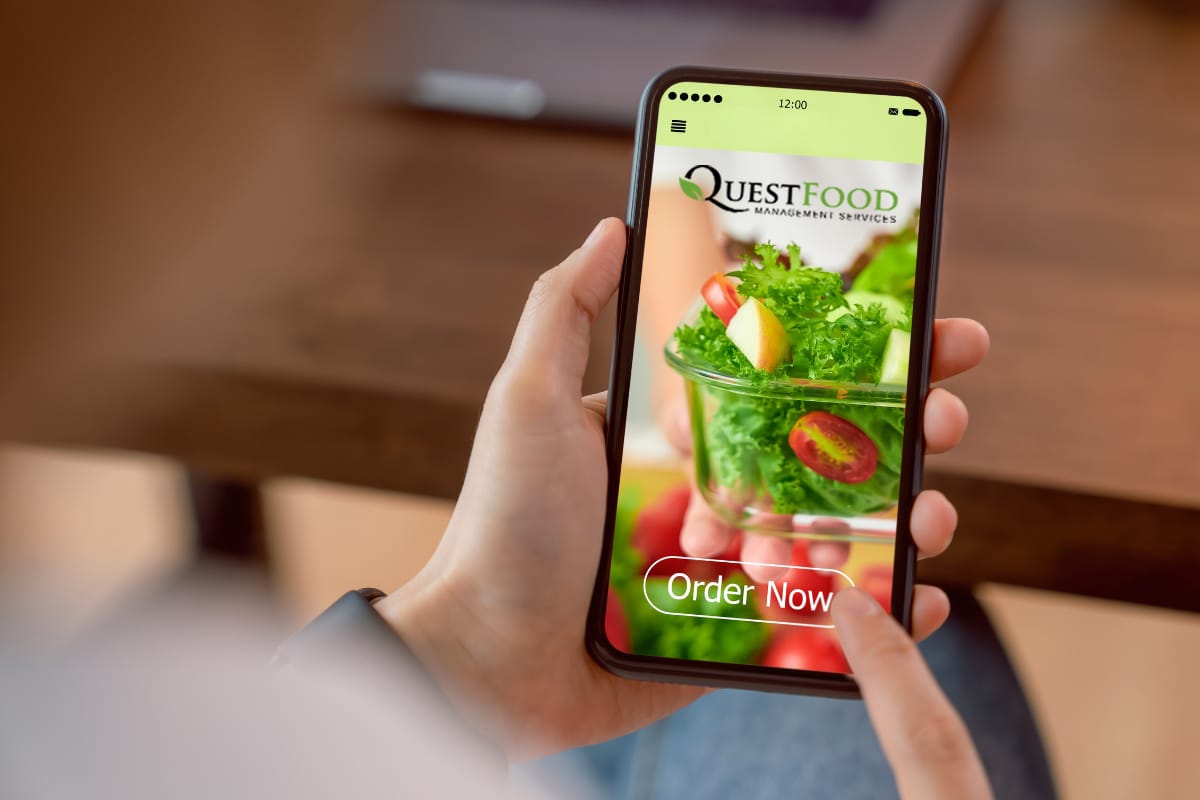
Online Ordering Systems: Customization and Convenience
One of the most impactful shifts in school food service has been the adoption of online ordering systems. These platforms allow students—or their parents—to select meals in advance through mobile apps or web-based portals. For families, it brings peace of mind knowing what their child will eat each day. For students, it allows for greater ownership over their choices, especially when the menus are tailored to individual preferences, allergies, or dietary restrictions. Educators benefit, too—pre-ordering reduces the pressure on kitchen staff during peak lunch periods and minimizes food waste, as meals are prepared based on actual demand. Implementing these systems in a phased approach—such as piloting in one grade level—can ease the transition and highlight early wins.
Meal Tracking and Student Wellness: Data-Driven Nutrition Support
In addition to streamlining selection, meal tracking tools are helping schools monitor student wellness more effectively. These systems log what students eat and how frequently they access meal services, providing valuable data for educators, counselors, and families. They can identify students who consistently skip meals, make poor nutritional choices, or may be facing food insecurity. Integrating this information with school wellness programs or parent portals opens up important health, behavior, and support conversations. In schools where food insecurity is a concern, these insights can guide interventions and resource allocation, ensuring no child goes unnoticed during lunchtime.
Inventory Management Software: Efficient Operations from Kitchen to Classroom
Behind the scenes, inventory management software is transforming the operational side of school cafeterias. These platforms automate the tracking of ingredients, expiration dates, and order levels. Instead of relying on manual spreadsheets or guesswork, cafeteria staff can use recipe-based forecasting to know exactly what to prep and when. This leads to fewer stockouts, less spoilage, and more budget-conscious purchasing. For administrators, it provides audit trails for compliance and procurement transparency, which is particularly useful when managing federally funded meal programs. From an educational standpoint, this technology also ties into sustainability initiatives—minimizing waste and modeling responsible resource management across the school community.
Digital Menu Boards: Inform, Engage, and Educate
Another technology making a visual impact is the use of digital menu boards. These bright, engaging displays—placed in cafeterias or hallways—go beyond simply listing the day’s offerings. They can highlight nutritional facts, note allergens, and even rotate through multilingual options to serve diverse student populations. Their real-time update capability is especially useful when menus change due to supply issues or weather delays. Some schools have creatively involved students in managing the content—health classes design nutrition facts, while media classes create graphics—making the boards both functional and educational. This offers teachers a fun, interdisciplinary way to connect food literacy to the broader curriculum.
Collaboration and Innovation
What ties all these innovations together is the need for collaboration. Successful integration of technology in food service depends on strong partnerships between educators, food service staff, IT departments, and families. Educators, in particular, can play a crucial role by advocating for these tools, helping students navigate new systems, and using food-related data to support overall student wellness. Starting small—with a single tool or pilot program—and scaling gradually based on feedback and results ensures smoother adoption and long-term success.
Nourishing Bodies with Smarter Tools
Ultimately, leveraging technology in school food service isn’t just about speeding up lunch lines. It’s about creating a dining experience that’s smarter, healthier, and more equitable for every student. When schools invest in modern tools that support meal planning, data tracking, and operational efficiency, they’re also investing in student well-being and academic potential. As educators continue to lead innovation in classrooms, they have a unique opportunity to extend that leadership to the cafeteria, turning every lunch tray into an opportunity for growth.
If you have a food and beverage project for your school or would like to learn how collaborating with Quest can benefit your educational institution, please reach out to say hello!