
Boosting Student Engagement & Feedback Mechanisms in School Meal Programs
In an era where digital tools are reshaping how schools operate, one area often overlooked is the potential of technology to revolutionize school meal programs. From streamlining food service operations to enhancing student satisfaction, modern tech tools are helping schools create more responsive, inclusive, and efficient nutrition environments. At the heart of this transformation lies student engagement and feedback—two pillars essential to ensuring meals are nutritious and enjoyable. Check out Quest’s latest blog post from our team of experts on how schools use technology to bridge this gap and bring students into the conversation.
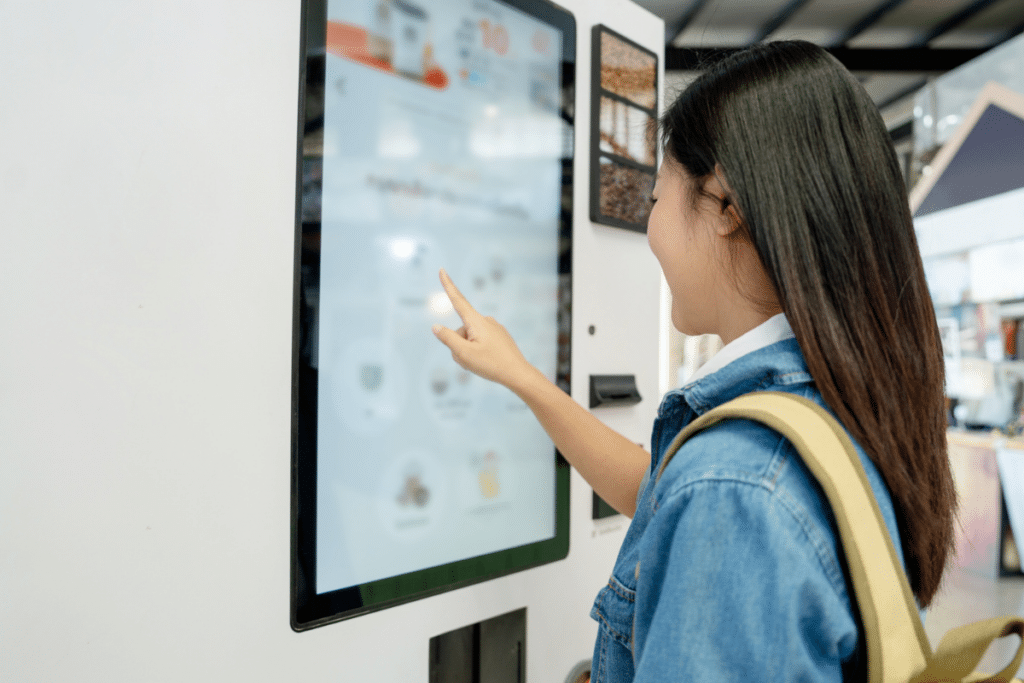
Online Ordering Systems: Empowering Student Choice
One of the most effective ways to engage students in school meals is by giving them a voice in what they eat. Online ordering systems are making this easier than ever. Instead of being limited to on-the-spot choices or predetermined menus, students (and in some cases, parents) can now access digital platforms to view menus in advance and pre-select their meals. This process empowers students by involving them in meal planning, increases satisfaction, and significantly reduces food waste by helping food service staff prepare more accurately for each day.
These systems also provide schools with invaluable data. Patterns emerge quickly—schools can identify which meals are popular, how preferences vary by grade level, and what dietary accommodations are most requested. Platforms like Nutrislice and SchoolCafé handle ordering and include nutrition and allergen information, ensuring transparency and helping students make informed decisions. When students see that their choices matter, their participation and enthusiasm naturally increase.
Meal Tracking and Feedback: Creating a Two-Way Conversation
Technology enables schools to capture feedback more effectively and tie it directly to student meal experiences. Meal tracking systems allow food service teams to monitor which meals are selected most often, track participation trends over time, and even identify preferences across different demographics. But the real value comes when these systems incorporate feedback loops, giving students the ability to share their opinions quickly and easily.
Some schools collect input using simple surveys, digital kiosks, or QR codes printed on cafeteria tables and meal trays. A quick emoji rating or a two-question poll can yield powerful insights. Over time, this feedback allows menu planners to respond dynamically, phasing out unpopular items, introducing student-suggested meals, or even rotating favorites to keep things fresh. When students feel their voices are heard, trust and participation are built.
More Innovative Inventory Management: Matching Supply to Real Demand
Behind every great meal program is a complex web of logistics—procurement, preparation, and inventory. Traditionally, these tasks have relied on static planning and educated guesswork, which can lead to both overstock and shortages. But modern inventory management systems are changing that. These platforms, integrated with pre-ordering data and meal tracking tools, allow schools to make informed decisions based on student preferences and participation patterns.
Solutions like Titan School Solutions, PrimeroEdge, and MealViewer offer powerful dashboards that help food service teams forecast needs, reduce waste, and optimize storage. For example, if spicy chicken wraps are a hit on Wednesdays, procurement teams can adjust orders to ensure enough ingredients are available, without overbuying. This leads to cost savings and ensures that popular meals aren’t unexpectedly unavailable, which can be frustrating for students and staff alike.
Digital Menu Boards: Visual Engagement with Real-Time Flexibility
Visuals are powerful, especially for younger students or those with limited reading abilities. Digital menu boards replace static signage with bright, dynamic displays that list what’s on the menu and highlight nutritional facts, allergen alerts, and special promotions. These boards can include photos, rotating slides, or videos to promote new meals, celebrate student-created menu names, or spotlight fun themed lunch days.
Because they’re connected to centralized systems, digital boards can be updated in real-time to reflect last-minute changes due to weather, delivery issues, or inventory fluctuations. More importantly, they create a lively and inviting cafeteria environment that appeals to today’s digitally savvy students. Some schools even allow students to submit art, recipes, or reviews to feature on the display, creating a sense of ownership and pride in their school’s food culture.
Why Feedback and Engagement Matter
At the core of these digital innovations is a simple but powerful principle: when students are engaged in their meal experience, they are more likely to participate, waste less, and feel a greater connection to their school community. Increased participation means more meals served, which often translates into better funding and greater nutritional reach. But beyond numbers, engaged students help shape more inclusive and culturally responsive menus. Their feedback can lead to offerings that reflect the diverse backgrounds of the student body, dietary needs, and emerging food trends.
Schools that listen and respond to their students are not just feeding bodies—they’re cultivating a relationship built on respect and shared responsibility. And with today’s tools, capturing and responding to student voices has never been easier.
Tech as a Bridge Between Students and School Nutrition
By embracing digital tools from online ordering and real-time inventory management to dynamic feedback channels and interactive menu displays, schools are creating a more modern, efficient, and student-centered meal service experience. These tools streamline operations and foster meaningful engagement, allowing students to feel seen and heard in an environment that directly impacts their well-being.
Ultimately, it’s not just about what’s on the tray—it’s about creating a meal program that reflects the voices and values of the students it serves. Technology is simply the bridge that makes it all possible. If you have a food and beverage project for your school or would like to learn how collaborating with Quest can benefit your educational institution, please reach out to say hello!