
Integrating Food & Beverage into Modern Office Environments
The modern office is no longer just a place to work—it’s a destination. As companies continue to navigate hybrid schedules and evolving employee expectations, developers and property managers are rethinking how their spaces function, feel, and ultimately compete. One of the most impactful shifts? The intentional integration of food and beverage into the built environment.
Check out Quest’s latest blog post from our team of experts on how dining spaces and food and beverage have become a cornerstone amenity—one that shapes daily experiences, drives foot traffic, and plays a meaningful role in tenant satisfaction and retention.
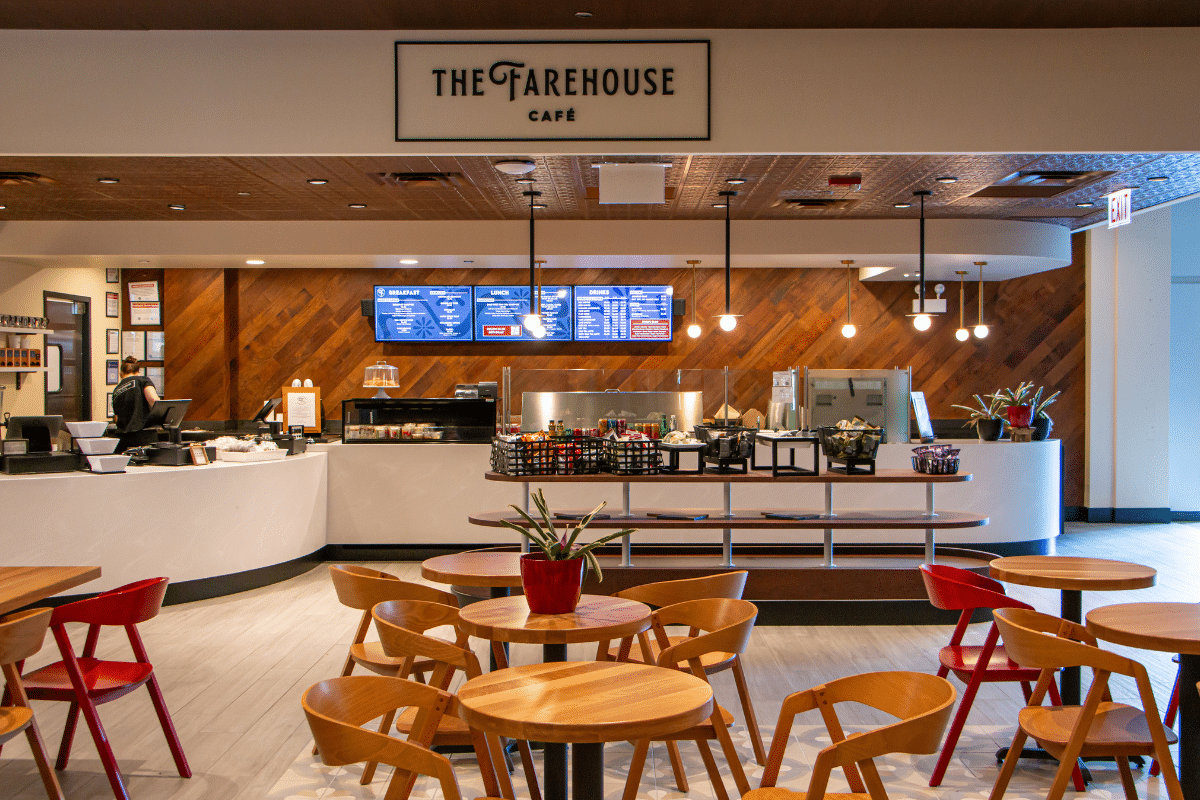
From Utility to Experience
Not long ago, office dining was treated as a convenience: a grab-and-go counter tucked into a lobby or a basic cafeteria hidden on a lower level. Today, that model feels outdated. Tenants are looking for more—spaces that mirror the quality, energy, and variety they’d find in their favorite neighborhood spots.
Developers are responding by elevating food and beverage into highly visible, design-forward environments. Think open, light-filled cafés that double as informal meeting spaces. Marketplace concepts that offer globally inspired menus and flexible ordering options. Hospitality-driven dining areas that encourage people to linger, connect, and recharge.
In this new paradigm, food isn’t just a service—it’s an experience that contributes directly to a building’s identity.
Designing for Flow and Function
Successful integration starts with thoughtful design. It’s not just about adding a café—it’s about understanding how people move through a space and how food and beverage can enhance, rather than disrupt, that flow.
Key considerations include:
- Placement and visibility: Locating dining venues in high-traffic areas increases engagement and naturally draws people in.
- Traffic flow: Smart layouts prevent bottlenecks during peak times while maintaining a comfortable, inviting atmosphere.
- Seating versatility: A mix of communal tables, soft seating, and quick-turn options supports different use cases—from solo lunches to team meetings.
- Indoor-outdoor connectivity: When possible, extending dining into patios or courtyards creates additional capacity and a more dynamic experience.
When these elements come together, food and beverage becomes seamlessly embedded into the daily rhythm of the building.
Flexibility Is the New Standard
Today’s office environments demand flexibility—and dining programs are no exception. Tenant populations fluctuate throughout the week, and preferences continue to evolve. Static, one-size-fits-all models simply don’t hold up.
Modern programs are designed to adapt. That might mean rotating menus that keep offerings fresh and relevant, multi-station concepts that can scale up or down based on demand, or service models that blend in-person dining with mobile ordering and grab-and-go convenience.
Flexibility also extends to programming. Pop-ups, chef features, seasonal activations, and community events can transform dining spaces into ongoing points of engagement—giving tenants a reason to return, even on optional in-office days.
The Role of an Experienced Partner
While the vision for integrated food and beverage is compelling, execution is where many projects succeed—or fall short. Bringing together design, culinary strategy, operations, and guest experience requires a level of expertise that goes beyond traditional foodservice.
That’s where a partner like Quest Food Management Services plays a critical role.
With a deep understanding of both hospitality and the nuances of commercial real estate environments, Quest works alongside developers and property managers from the earliest stages of planning. This collaborative approach ensures that every element—from kitchen infrastructure to service style—is aligned with the building’s goals and tenant needs.
Quest’s focus on fresh, chef-driven food, combined with flexible program design and operational excellence, allows properties to deliver a dining experience that feels intentional and elevated. More importantly, they bring the ability to adapt—continuously refining the program based on usage patterns, feedback, and emerging trends.
In an increasingly competitive market, office buildings must offer more than just square footage. They need to create environments where people want to be—places that support productivity, foster connection, and enhance well-being.
Integrated food and beverage programs do exactly that.
They activate underutilized spaces, increase dwell time, and contribute to a stronger sense of community within the building. They provide a tangible, everyday benefit that tenants and their employees genuinely value. And when executed thoughtfully, they become a defining feature—one that sets a property apart in a crowded landscape.
As the workplace continues to evolve, one thing is clear: food and beverage is no longer an afterthought. It’s a strategic asset. And with the right partner bringing it to life, it can transform not just how a building functions—but how it’s experienced. If you have a food and beverage project or would like to learn more about Quest, please reach out to say hello!