
Beyond the Lunch Line: Reimagining Menu Innovation and Creative Meal Planning in K-12 Schools
Share this post


At Quest, we believe educators and school leaders have an opportunity to transform school meals into something greater than compliance with nutrition guidelines. Food can be used to celebrate diversity, support health and wellness, and teach students about sustainability, culture, and community while ensuring they want to return for more.
In schools across the country, we spend a lot of time discussing reading scores, graduation rates, and student engagement—but not nearly enough about lunch. And yet, the school cafeteria is one of the few places that touch almost every student daily. For many, it’s more than a meal; it’s a lifeline.
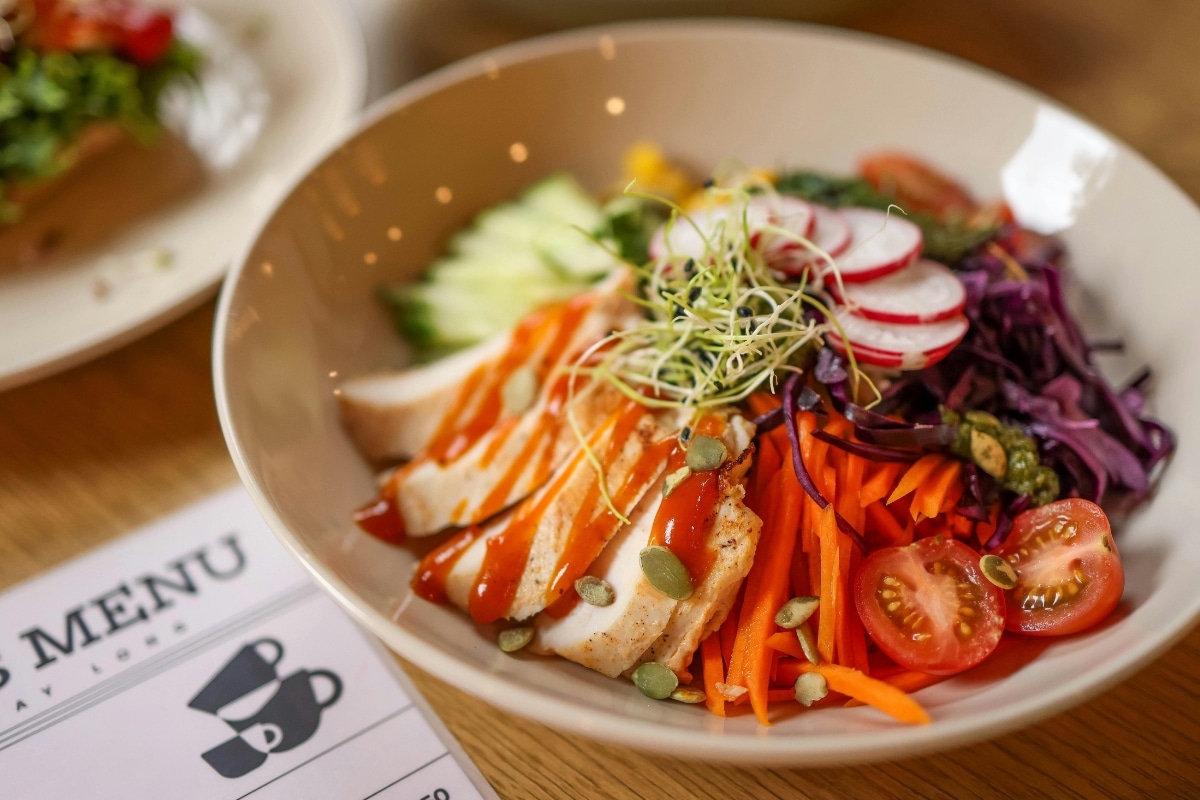
Why Menu Innovation Is No Longer Optional
In today’s fast-paced, hyper-connected world, students have access to more food choices, culinary exposure, and awareness about how food impacts their bodies, planet, and identities. They’re watching cooking shows, following food influencers, and bringing more nuanced preferences into the school cafeteria.
Traditional menus—heavy on processed foods and light on variety—often fail to meet these evolving needs. As a result, many districts are seeing decreased meal participation, increased food waste, and growing calls from families for better transparency and inclusion.
But this is a chance, not a challenge. Creative, inclusive meal planning offers powerful benefits:
- Increased participation in school meal programs
- Decreased stigma around free or reduced-price meals
- Greater inclusion of students with allergies or dietary restrictions
- Improved student behavior and academic performance
- A chance to align food service with SEL, DEI, and climate education goals
It’s time to consider food service an essential part of the school experience, not an afterthought.
Make Global Cuisine Approachable and Celebratory
Food is culture—and students are hungry to see their culture (and their classmates’) reflected on the tray. But introducing global flavors doesn’t mean starting from scratch or creating complex dishes with hard-to-source ingredients. At Quest, our Hemisphere station displays a rotation of authentic global dishes with hearty entrées and paired side dishes, prepared to showcase a variety of flavors and ethnic cuisines from around the world. Start with recognizable formats and adapt them with international flair. A few examples are: Orange Chicken Bowl, Homemade Spanish Rice, Chicken Stir Fry, and Chicken Taco Salad.
Plant-Based Isn’t a Trend—It’s a Movement
Plant-based eating is increasingly embraced by students and families, whether for health, ethics, religion, or sustainability. But vegetarian meals are often treated as side notes rather than fully realized offerings. Schools that elevate plant-based dishes see higher student satisfaction, lower meal costs, and better environmental outcomes.
Bonus Tip: Promote plant-based days with fun branding like “Power Plate Mondays” or “Plant Strong Fridays.” Students love novelty when it’s paired with a good story.
Lead With Inclusion: Allergen-Free and Dietary-Sensitive Options
Roughly 1 in 13 children in the U.S. has a food allergy. Add intolerances, religious dietary rules, and medical diets, and the need for flexible, inclusive meal planning is clear.
But too often, these students are left with boring or repetitive options—or are forced to bring meals from home. Inclusive menu planning isn’t just a legal responsibility—it’s an opportunity to send a powerful message: You belong here.
Educator Involvement: Help build awareness by integrating allergy education into health or science classes. When students understand each other’s needs, empathy (and safety) grow.
Engage Students as Co-Creators, Not Just Consumers
No one knows what students want to eat better than students themselves. When you involve them in menu planning, you gain real-time feedback, build investment, and increase satisfaction.
More than that, you turn food into a student-led learning opportunity that teaches collaboration, creativity, and even entrepreneurship.
Ways to Involve Students:
- Launch a Student Menu Advisory Council to review and taste test new items
- Host a “Cafeteria Shark Tank” where students pitch their own meal ideas
- Survey students regularly with short digital polls—ask what they want and why
- Invite student feedback after themed events or menu changes
Market the Meal: Branding, Storytelling & Presentation Matter
Students eat with their eyes, their peers, and their curiosity. Even the healthiest, best-tasting meals won’t succeed if students don’t know what they are or why they should care.
Think of your cafeteria as a food brand. Build excitement, tell a story, use visuals, and connect the food to something meaningful.
Smart Promotion Tactics:
- Name dishes creatively: Rainbow Veggie Wrap sounds better than raw vegetables in a tortilla
- Use morning announcements, posters, or digital displays to highlight menu specials
- Partner with art classes to design promotional flyers or labels
- Create a QR code that links to fun videos or behind-the-scenes recipe stories
Thematic Days that Spark Joy:
- “Throwback Thursdays” with healthy takes on retro favorites
- “Farm to Tray” Fridays featuring locally sourced produce
- “Build Your Own Bar” lunches—taco bars, noodle bowls, salad stations
- “Rainbow Days” where students aim to eat five different colors on their tray
Educator Tip: Help frame meals as part of SEL, culture, or sustainability discussions in class. A well-promoted meal gets eaten and remembered.
Every Student Deserves a Seat at the (Lunch) Table
Food is not just fuel. Its identity. It’s learning. It’s connection. And in schools, it’s often equity in action.
When we innovate school menus with intention, we’re doing far more than improving taste—we’re telling every student: You matter. Your culture matters. Your health matters.
So, let’s serve meals that reflect our students’ lives and support their potential. Let’s make the cafeteria a place where students are excited to eat, eager to learn, and proud to belong.
If you have a food and beverage project for your school or would like to learn how collaborating with Quest can benefit your educational institution, please reach out to say hello!