
Cultivating Sustainability in School Dining: A Practical Guide for Educators
Educators influence more than just academic success; they help shape students’ values and habits into adulthood. One of the most overlooked, yet powerful, areas to model sustainability is in our school cafeterias. What students eat, how food is sourced, and what happens to waste all offer daily opportunities to teach environmental responsibility in a hands-on, meaningful way.
At Quest, we believe implementing sustainable dining practices doesn’t require a massive overhaul—it starts with small shifts that make a big difference. Check out the latest blog post from our team of experts on the four key pillars of sustainable school dining and how educators can lead the charge.
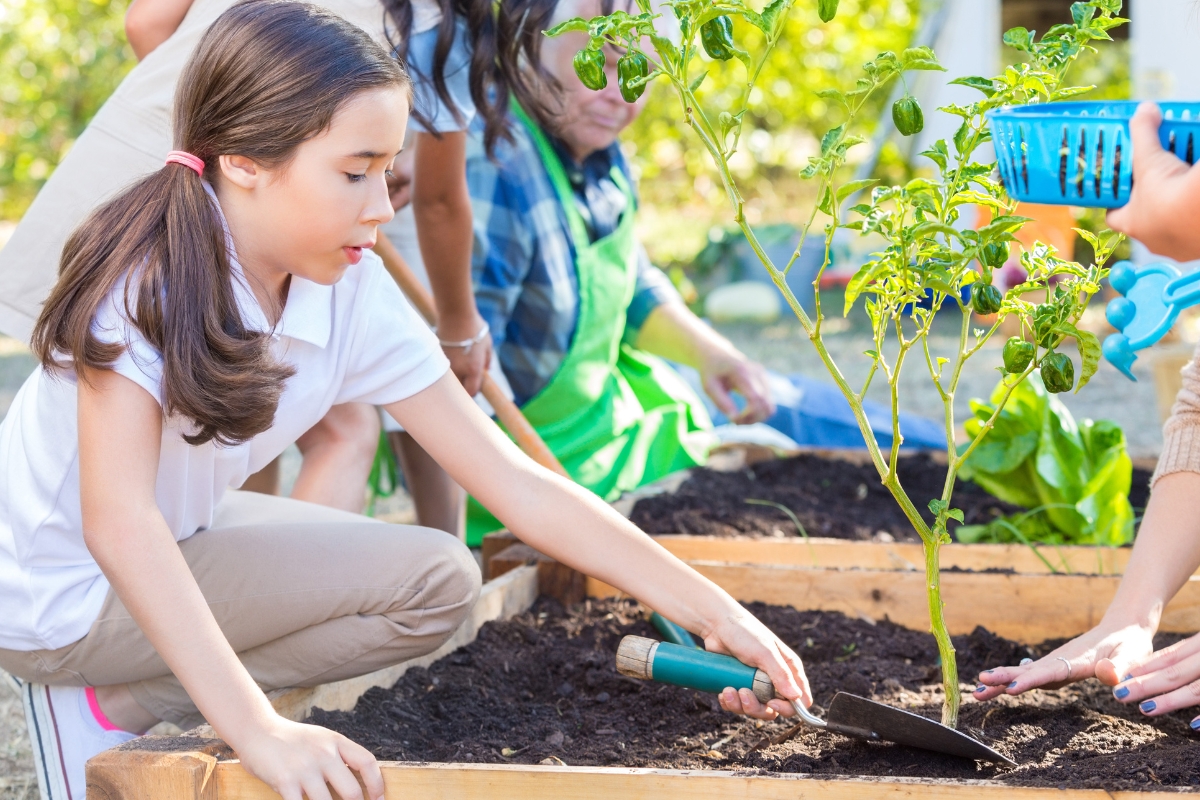
Farm-to-School Programs: Growing Health and Community Connection
Farm-to-school programs connect schools with local farmers and producers to bring fresh, locally grown food into cafeterias. This reduces transportation emissions, supports the regional economy, and provides students with more nutritious, less-processed meals.
These programs help students understand where their food comes from and foster respect for the people and land behind it. When children eat carrots they helped harvest or taste apples grown a few miles away, it becomes more than lunch—it becomes a story, a connection, a lesson in geography, biology, and economics.
Waste Reduction: Rethinking What We Throw Away
Food waste is one of the biggest sustainability challenges schools face. From overproduction in the kitchen to uneaten meals on students’ trays, the average school generates significant food waste every day. Wasted food wastes resources—water, labor, fuel, packaging—and contributes to greenhouse gas emissions when it decomposes in landfills. Teaching students to be mindful about what they take and how they dispose of it builds a more conscious generation.
At Quest, we have partnered with Restaurant Technologies to implement their efficient Total Oil Management program at multiple kitchens, streamlining fresh oil delivery, storage, handling, and used oil recycling. This partnership not only improves safety conditions in the kitchen but also has a positive environmental impact and saves on cost.
Composting: Turning Scraps into Soil
Composting is the natural process of recycling organic material—like food scraps and yard waste—into a rich soil amendment. Instead of sending waste to landfills, schools can compost leftovers to enrich gardens and landscaping. For example, K-8 students at Barrington 220 in Illinois learned the difference between landfills, composting, and recycling, and practice sorting their leftover food and wrappers into the appropriate receptacles. With the help of Quest Food Management Services, this initiative aimed to encourage environmentally friendly habits among students, giving them the chance to learn more about sustainability, where their garbage goes, and ways they can help reuse and recycle in their own homes.
Eco-Friendly Packaging: Ditching the Disposable
From plastic utensils and foam trays to single-use condiment packets, school meals often rely on packaging that’s neither recyclable nor compostable. Fortunately, sustainable alternatives are more available than ever. Plastic and polystyrene materials can take hundreds of years to decompose and often end up in oceans and ecosystems. Replacing these with compostable, recyclable, or reusable options significantly reduces a school’s environmental footprint.
At Quest, we have taken multiple steps to ensure the reduced environmental impact of plastic materials used throughout our organization, including a partnership with The Bottle Box – a provider of disposable packaging that uses post-consumer recycled PET.
Why This Work Belongs to Educators
Sustainability isn’t just a policy—it’s a practice. As an educator, your voice carries weight in school-wide decisions. By advocating for greener dining practices, you’re helping students become informed citizens and stewards of the planet.
These changes don’t need to happen overnight. Begin with what’s possible. Start a compost bin in your classroom. Suggest a local produce day in the cafeteria. Introduce sustainability themes in your lesson plans. Every step forward is a win for your school, your students, and the environment.
The cafeteria is more than a place to eat—it’s a classroom in disguise. Let’s teach students that every bite, every tray, and every scrap has a story. With every sustainable step, we help write a better one. If you have a food and beverage project for your school or would like to learn how collaborating with Quest can benefit your educational institution, please reach out to say hello!